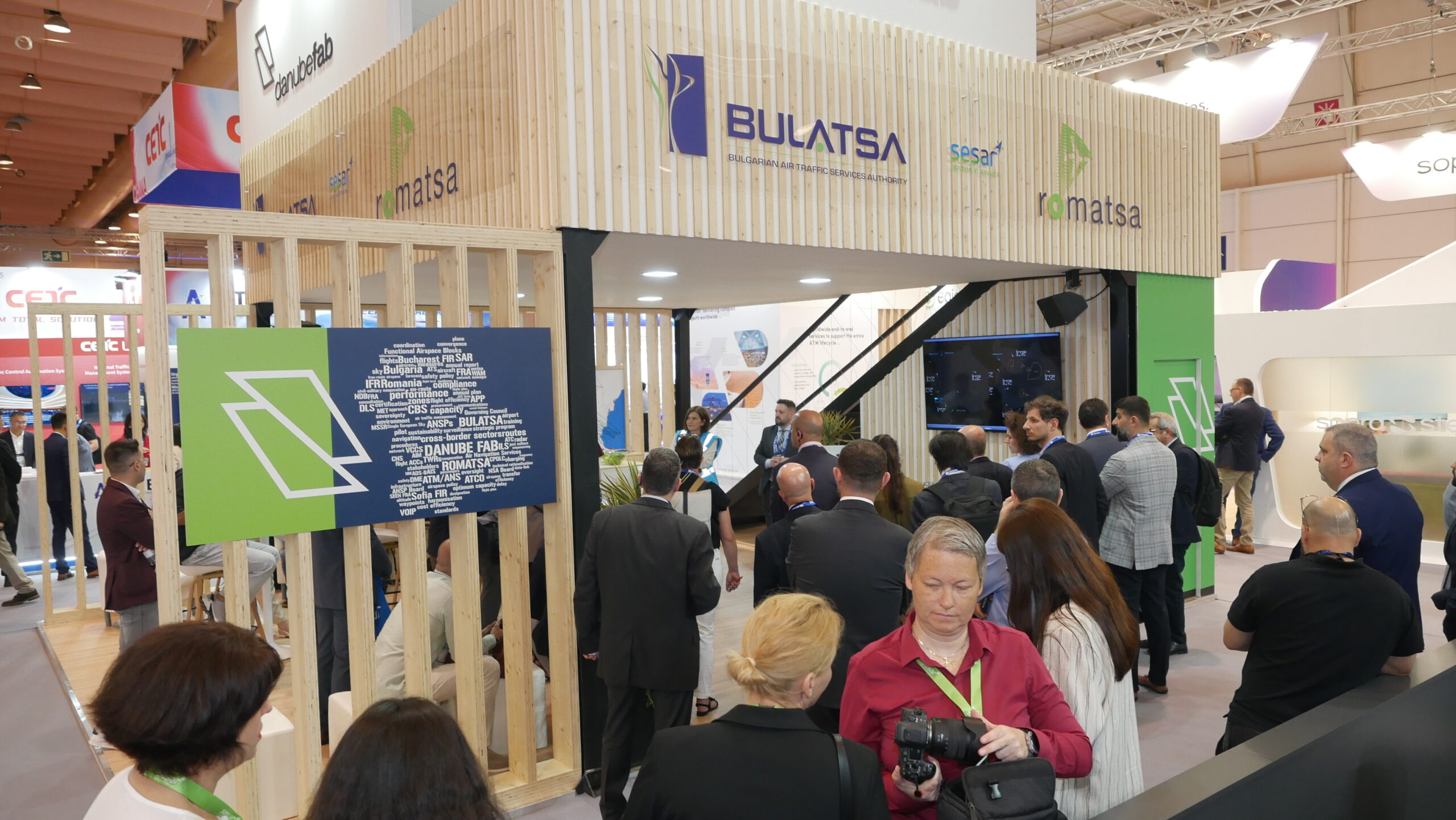
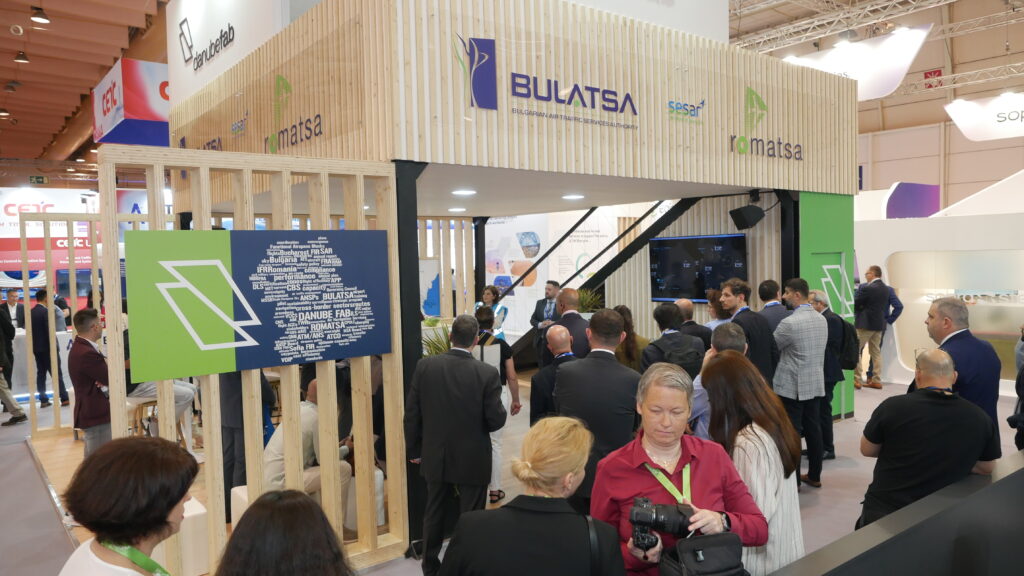
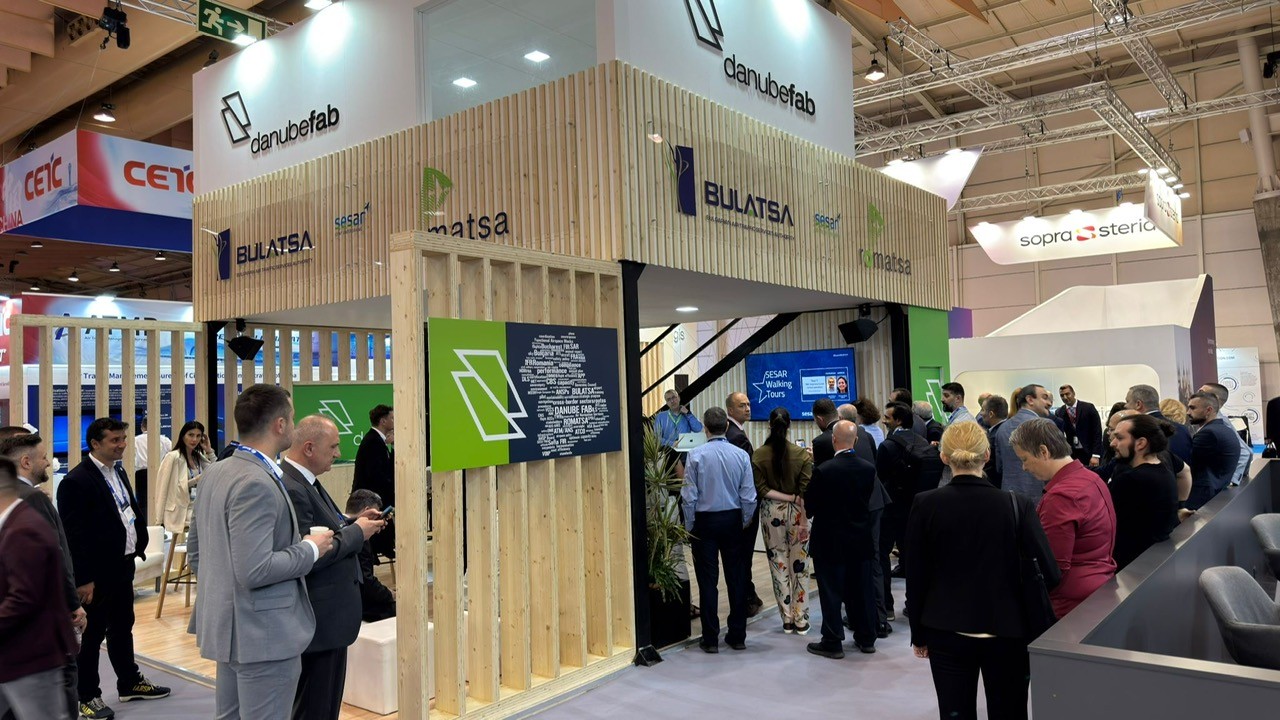
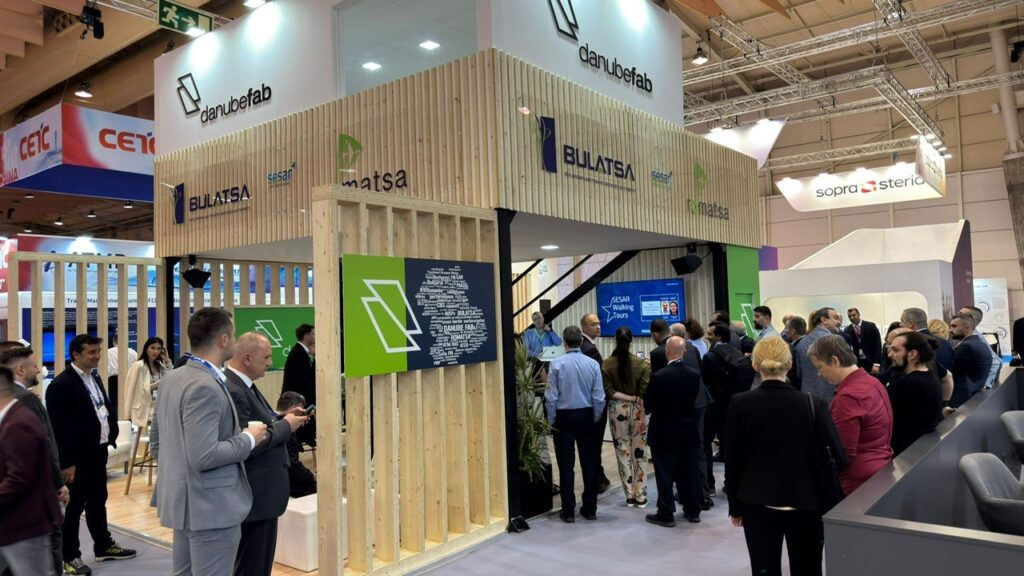
Lisbon, Portugal — Airspace World 2026 has officially started, with the joint DANUBE FAB stand (H2-B49) establishing itself as one of the event’s main focal points. Bringing together the expertise of BULATSA and ROMATSA, this year the focus of the Functional Airspace Block is on the practical steps towards the Digital European Sky, combining strategic partnership with demonstrations of cutting-edge technological solutions.
Strengthening regional resilience and strategic partnership
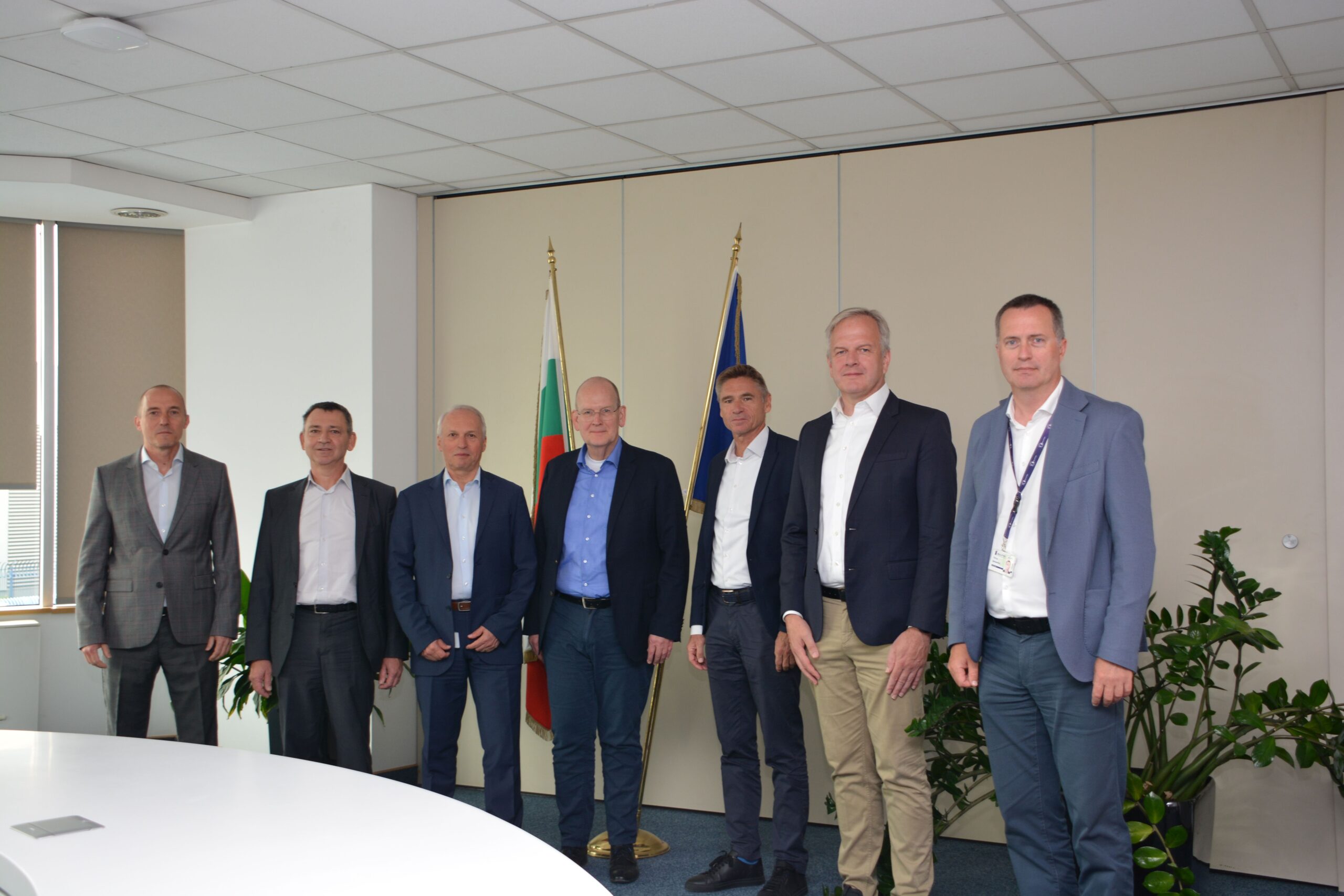
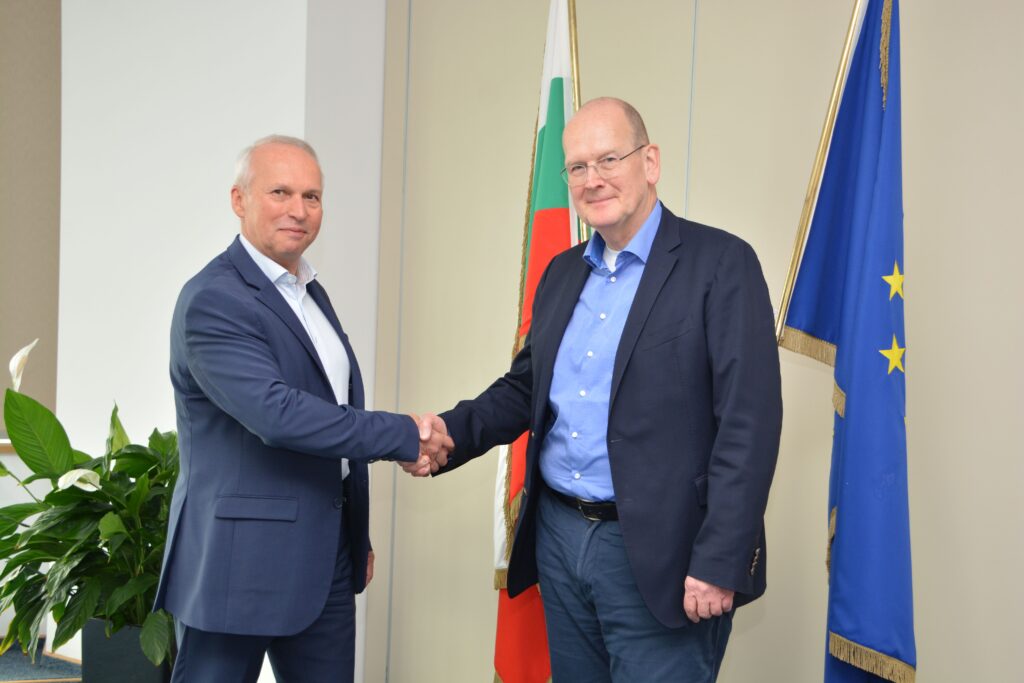
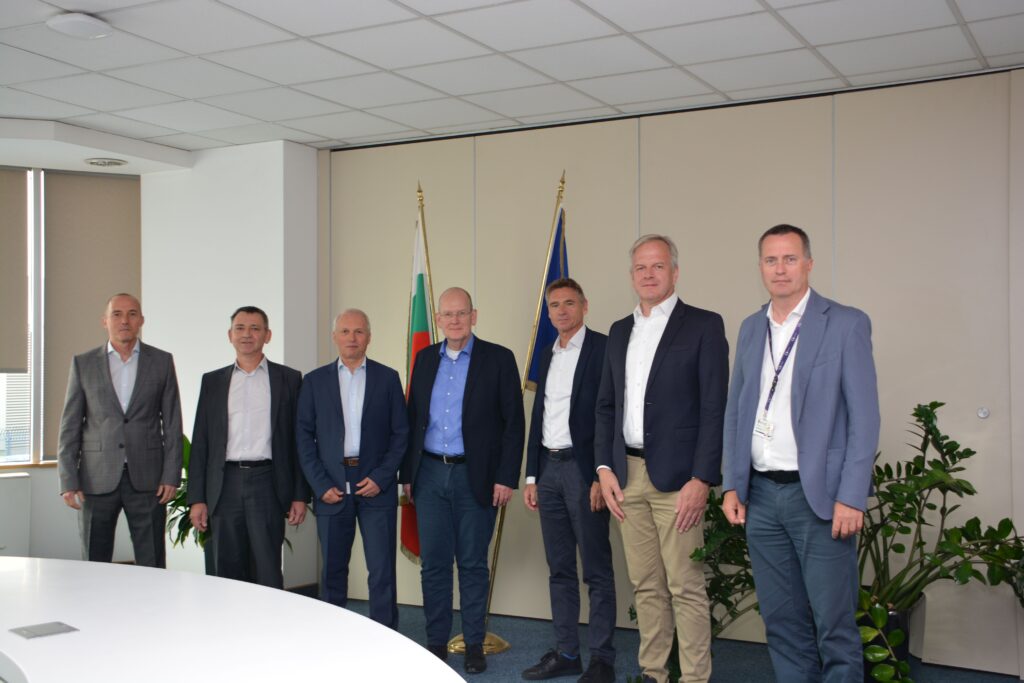
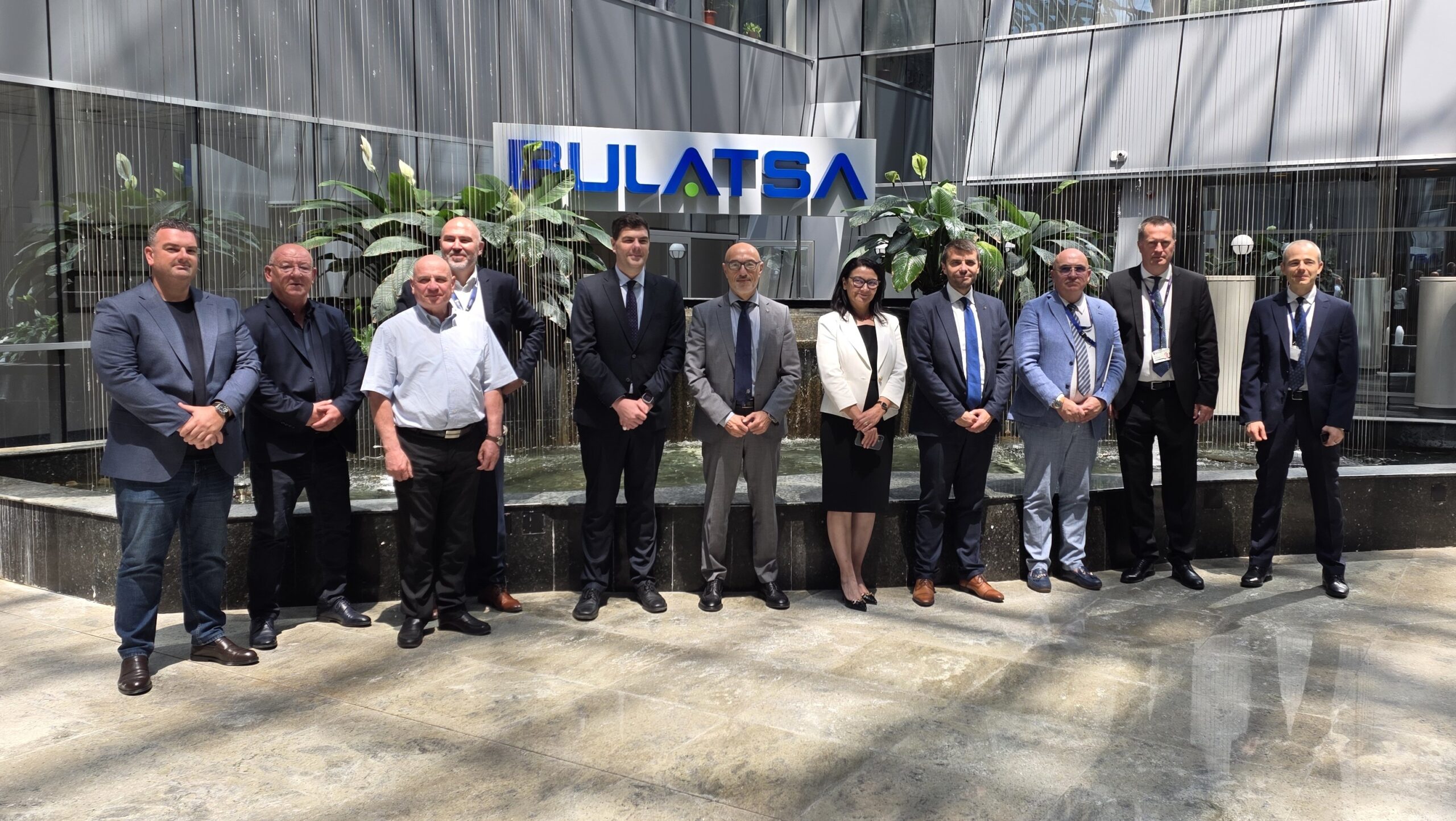
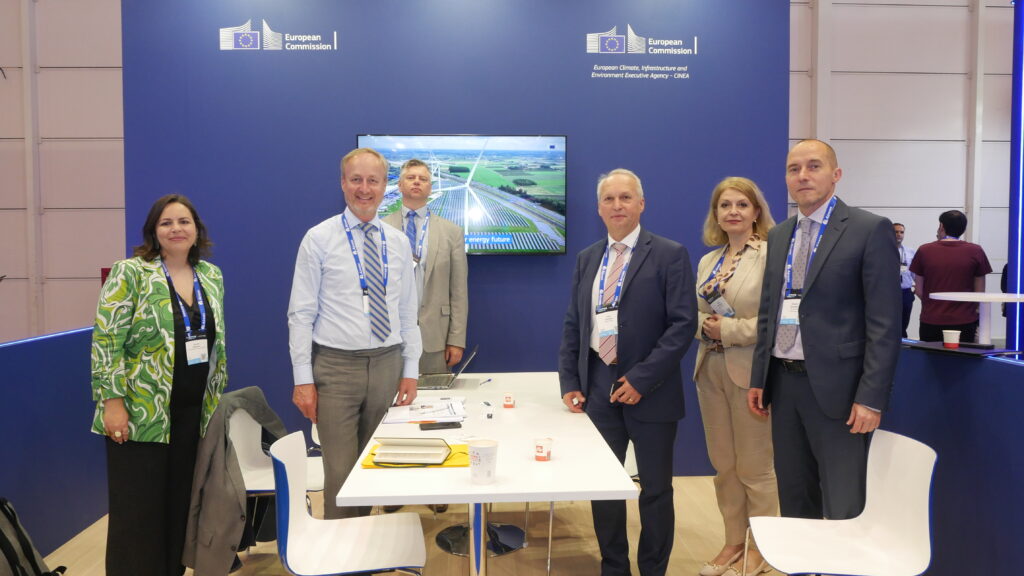
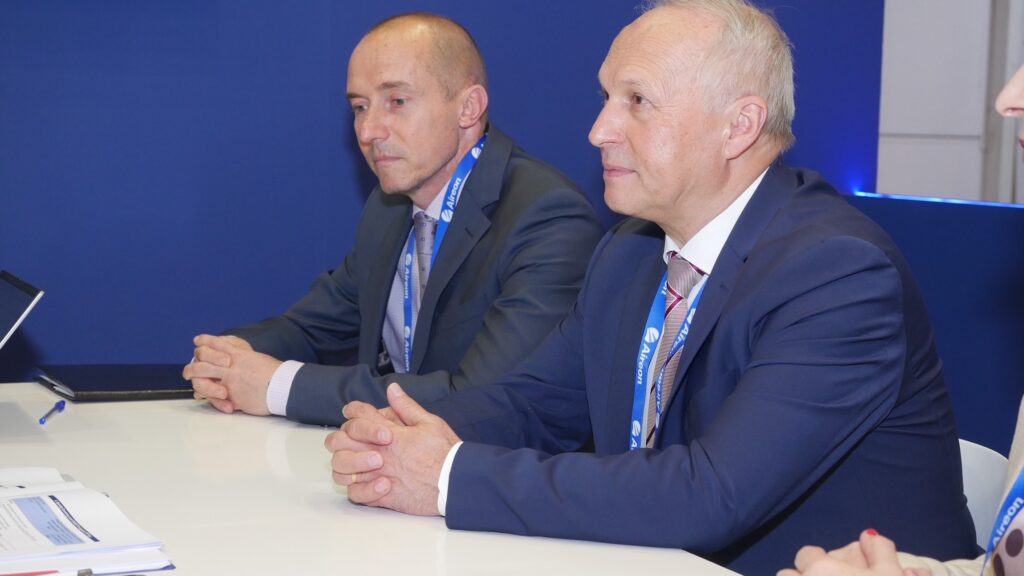
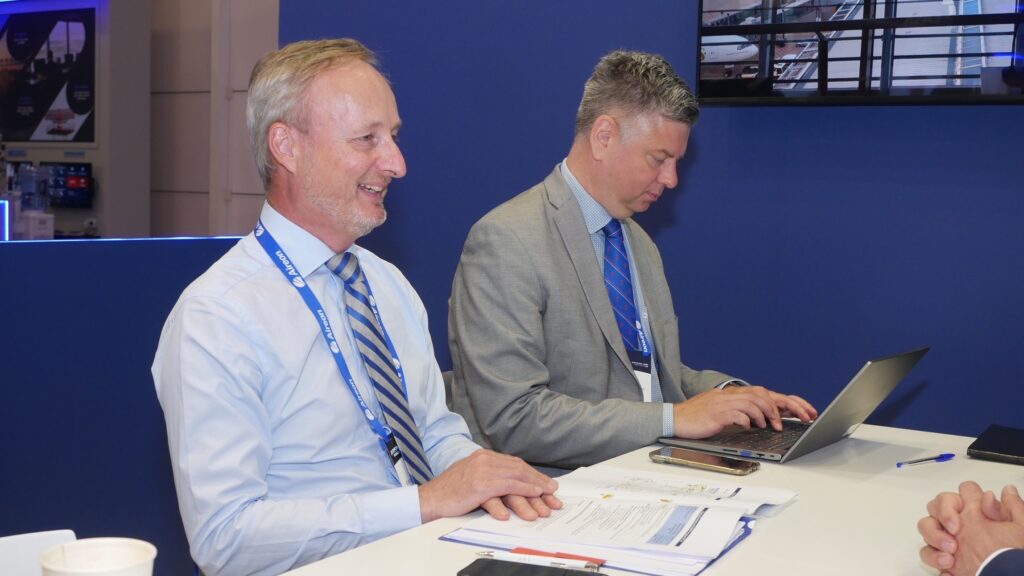
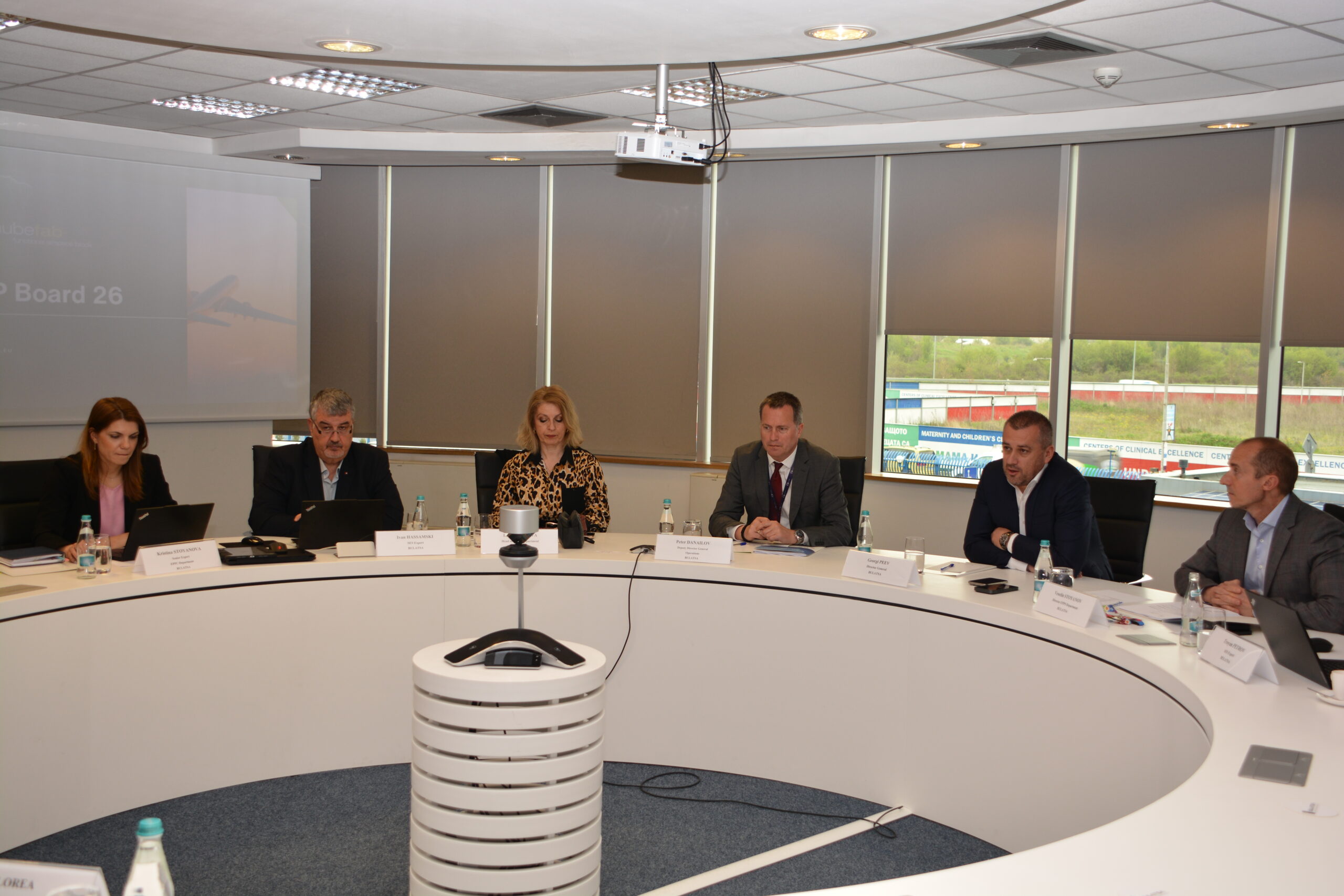
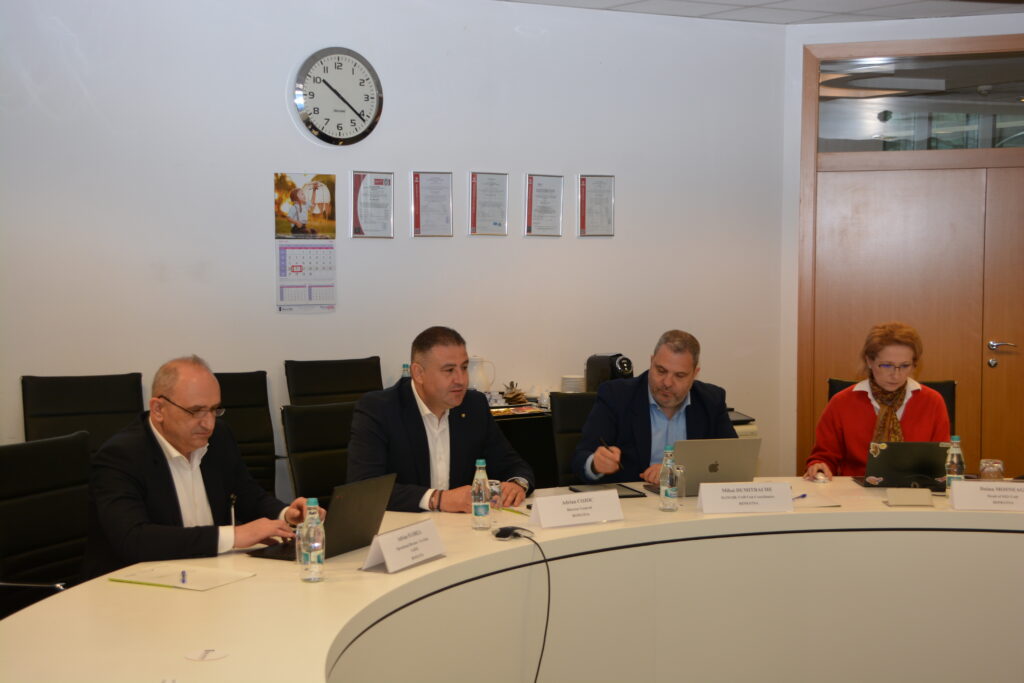
A key bilateral meeting was held at the beginning of the forum between BULATSA Director General Mr. Ivan Diaksov and ROMATSA Director General Mr. Adrian Cojoc. The meeting took place in the context of the recently appointed new management of the Bulgarian air navigation service provider.
In response to the increased geopolitical and financial pressure that directly impacts the air traffic in the region, the two leaders reaffirmed their firm commitment to:
- Closer operational coordination for effective management of variable and dynamic traffic flows;
- Building long-term sustainability of air navigation services in the region.
BULATSA Director General Mr. Ivan Dyaksov also held a bilateral meeting with Mr. Filip Cornelis, Director Aviation at DG Mobility and Transport of the European Commission, where BULATSA’s contribution to the efficiency of the European ATM network was noted. Practical solutions implemented by BULATSA to ensure ANS without imposing restrictions in the conditions of traffic growth and geopolitical dynamics were shared.
Highlights of Day 1: Innovations and technology demonstrations in action
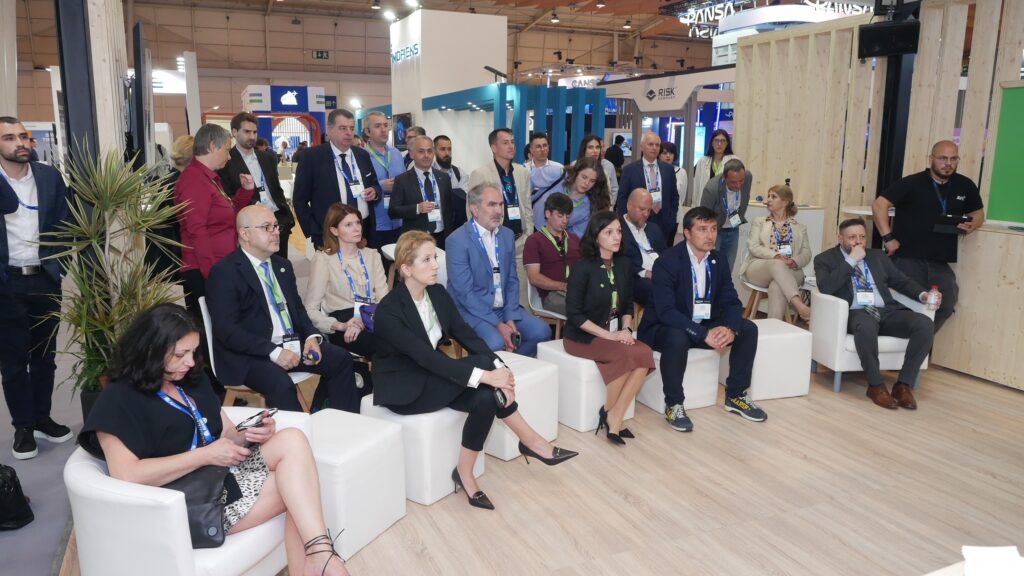
The DANUBE FAB stand attracted significant interest from the aviation community, hosting three specialized SESAR Walking Tours. Together with the leading industry partners Airbus and Frequentis, the experts presented working technological solutions for a safer, more efficient and environment-friendly airspace:
- ATC-TBO Solution 4.02: A tool to support Air Traffic Controllers (ATCOs) in detecting and resolving conflicts in complex weather conditions and turbulent skies. The project was presented by Todor Atanasov (BULATSA) and Francisca Muñoz (Airbus).
- ATC-TBO Solution 6.02: Integrating Artificial Intelligenc e (AI) to support ATCOs in Trajectory-Based Operations (TBO). The demonstration was led by Iulian Şerban Sanduku (ROMATSA) and Francisca Muñoz (Airbus).
- GEESE – Continental: An initiative to optimize flight trajectories in the European airspace to reduce carbon emissions and for greener aviation. The solution was presented by Laura Montironi (Airbus), Todor Atanasov (BULATSA) and Muhammad Farouk (Frequentis).
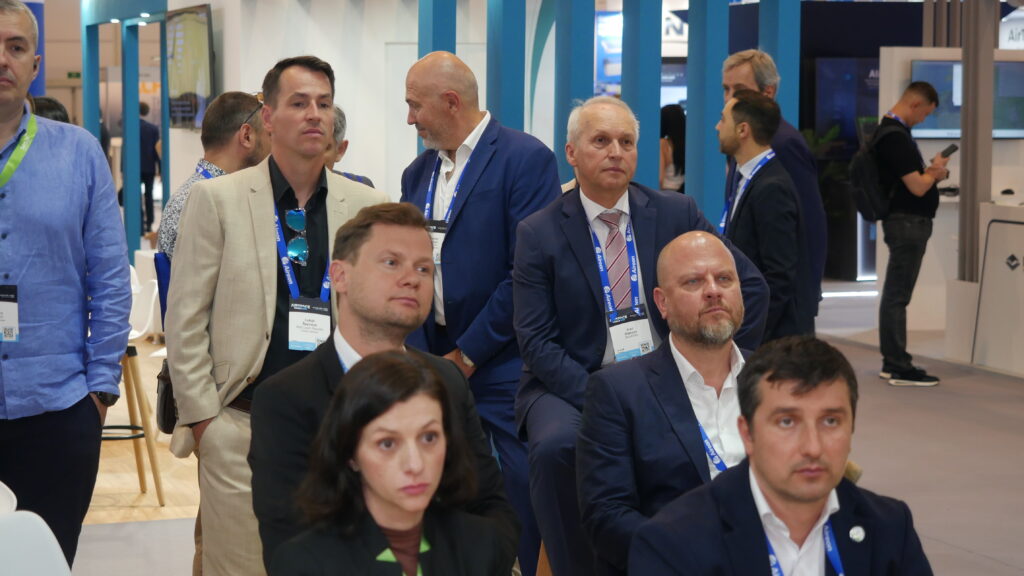
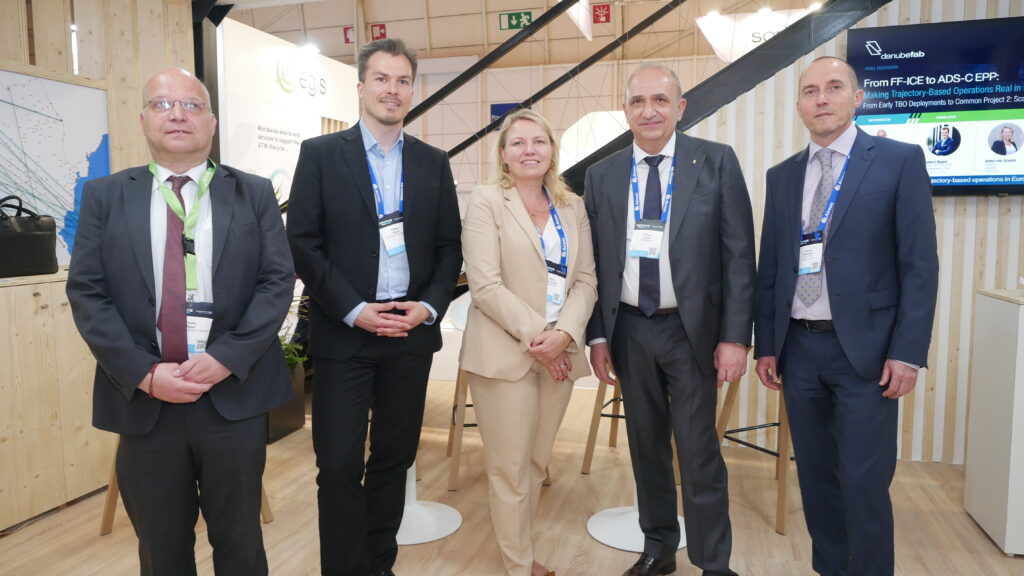
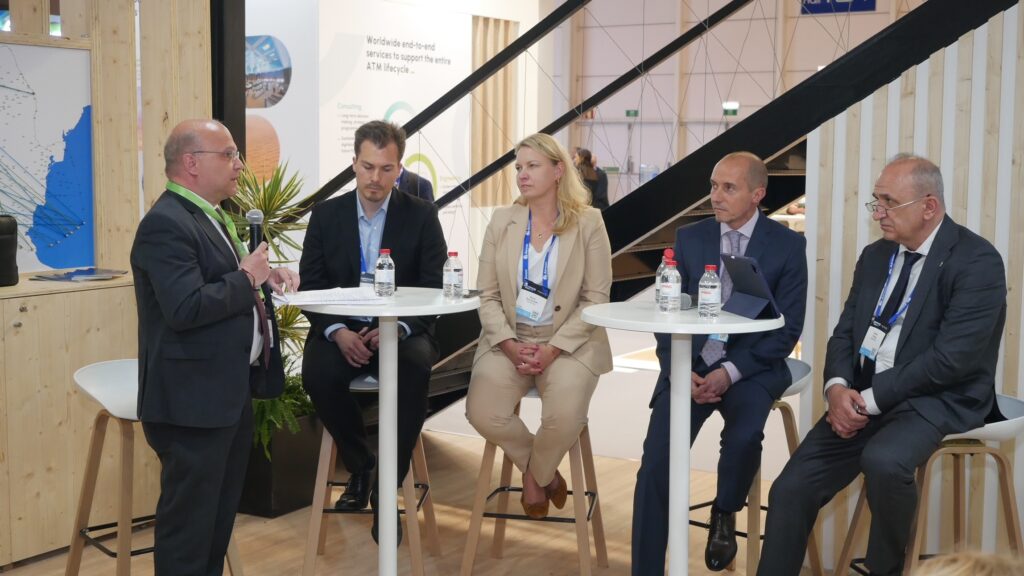
A key event at the stand was a panel discussion on the topic: From FF-ICE to ADS-C EPP, with the participation of BULATSA representatives. The panelists commented on the status of TBO implementation in Europe and noted the achievements of ROMATSA, who were the first to introduce the FF-ICE concept in a real operational environment.
Highlights of Day 2: Workforce Resilience, Operational Complexity and U-space Innovation
The second day of Airspace World 2026 highlighted the growing importance of both technological innovation and workforce resilience in European Air Тraffic Мanagement.
A key focus was the DANUBE FAB panel discussion:
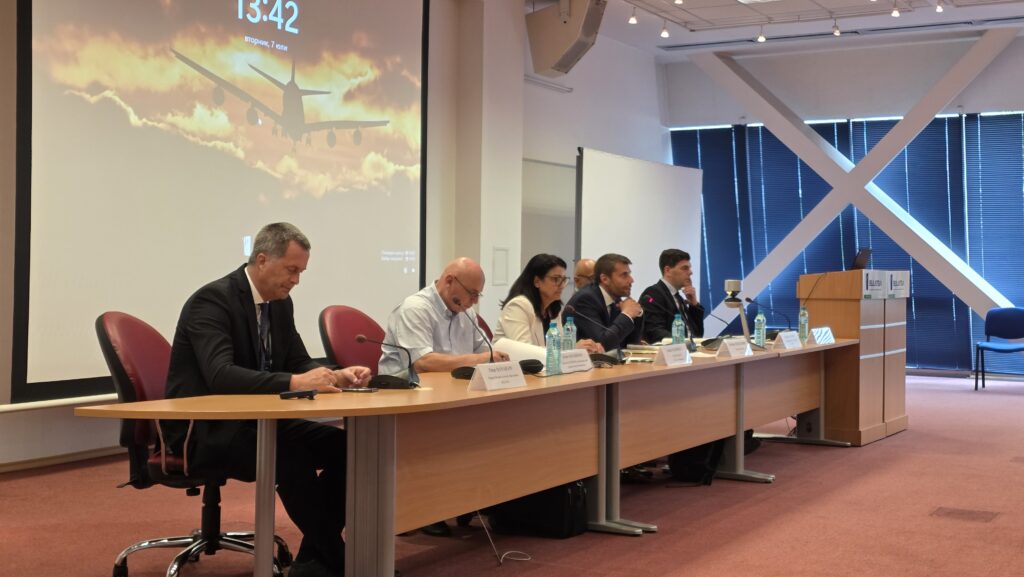
“ATCO Shortage: Can the Number of Active ATCOs Catch Up With Air Traffic Growth?”
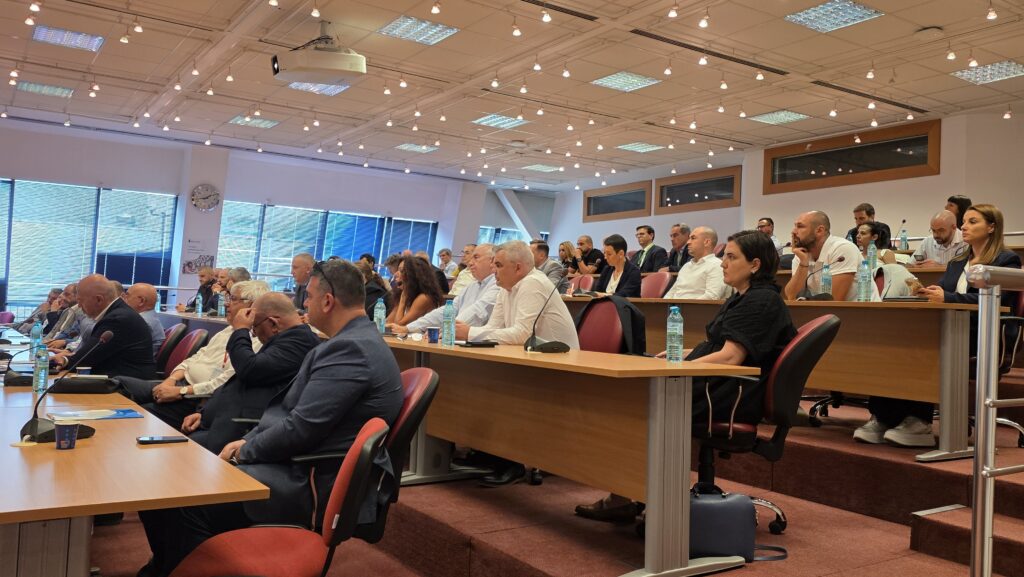
Moderated by Veselin Stoyanov (BULATSA), the panel brought together experts from BULATSA, ROMATSA, IFATCA and INGENAV, including:
• Kamen Iordanov
• Adrian Florea
• Benjamin Fichtner
• Max Bezzina
The discussion addressed recruitment and training challenges, workload, fatigue, operational resilience and the role of technology in supporting controllers.
A strong common message emerged from the discussion: the ATCO shortage is no longer solely a staffing issue, but a strategic challenge directly affecting European ATM performance, safety margins and network stability.
Particular attention was drawn to the need for continuous and predictable recruitment policies, improved training efficiency and stronger long-term investment in human capital across the ATM sector.
Several panelists also highlighted that technology and automation should not be viewed as substitutes for controllers, but rather as complementary tools supporting increasingly complex operational environments.
The panel generated significant interest among visitors and industry stakeholders, further confirming the relevance of workforce resilience as a central topic for the future of European aviation.
In parallel, DANUBE FAB hosted a dedicated showcase of the SPATIO SESAR3 Fast Track Project, focused on U-space separation management and the future integration of drone operations into European airspace.
Together, the Day 2 activities reinforced DANUBE FAB’s role in supporting operational innovation, European cooperation and the future development of the Digital European Sky.